
How Fast Does A Turtle Run?
Robert Brown
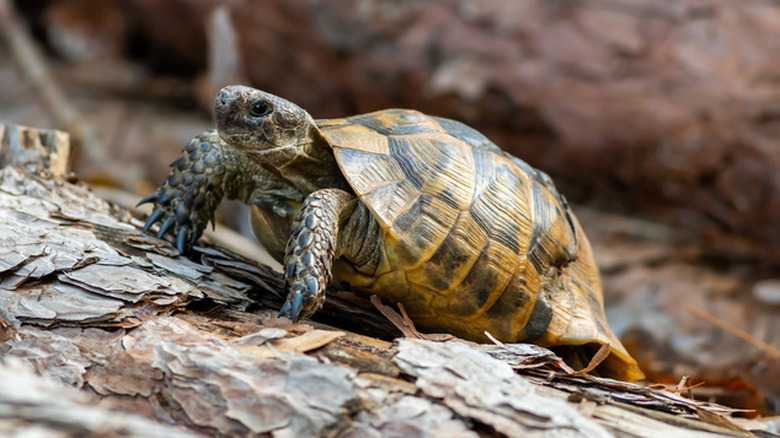
Other Cute AnimalsHow Fast Does A Turtle Run?BySherri TelenkoUpdated: Dec. 10, 2024 3:51 pm ESTIf you grew up reading the Aesop fable about the tortoise and the hare, you'll know the turtle is not the fastest animal in that race. However, the actual speed of turtles might surprise you. Some species move 1 mile per hour on land, and sea turtles can set impressive records in the water, especially when threatened."Turtles" is a term referring to sea turtles, freshwater land turtles, and tortoises. So, determining turtle speed depends on the type and species. Clearly, a turtle's strong shell is their best defense against predators. Turtles are attached to their shells; they are not resting inside. Pulling themselves into their shell is their first defensive impulse, but evading is sometimes necessary, and that's when water gives turtles a speed advantage.Turtle speed on landbuyungspz/ShutterstockSoft-shelled turtles, such as the smooth softshell turtle and the spiny softshell turtle, are believed to be the quickest land turtle, moving at speeds of an estimated 3 miles per hour. Some reports claim that certain types, such as the Florida soft-shell, can sprint up to 15 miles per hour, making them the fastest land turtle species. River cooters, meanwhile, move at a rate of 1 mile per hour.Among the fabled tortoises, the Seychelles giant tortoise has a documented land speed of .23 miles per hour, which is notably slower than the soft-shelled turtle. Both land and sea turtles swim three to four times faster in the water than they do on land.Turtle speed in the seaKevin Carter/Getty ImagesUnlike tortoises, who can't swim, turtles are strong swimmers who can breathe underwater for extend periods of time. In the water, turtles are swift and agile. Sea turtles, also called marine turtles, move three to four times faster in the water than on land, which is good because they spend most of their time in the water. Sea turtles have strong flippers. The front flippers thrust the turtle forward, while the back flippers act as rudders for steering. Shells are cumbersome on land, but in water, they become streamlined and are efficient for cutting through the waves.Marine turtles achieve speeds of up to 10 knots while migrating through the sea. Green sea turtles, for instance, are able to swim 300 miles in 10 days at speeds between 1.5 and 6.3 miles per hour. Leatherback sea turtles are faster, swimming up to 22 miles per hour. Even hatchlings are strong swimmers. Within 30 hours of hatching, baby turtles can swim a 25-mile distance if they reach the water from their sandy nests.Land turtles, such as cooters and red-eared sliders, also swim well thanks to webbed feet allowing them to paddle through rivers and ponds. Other land turtles, including snapping turtles and alligator turtles, actually walk along the bottom of water bodies. Larger freshwater turtles don't swim as quickly as smaller freshwater turtles, but the average freshwater turtle swimming speed is 10 to 12 miles per hour.
Everything To Know Before Adopting A Duck As A Pet
Emily Davis
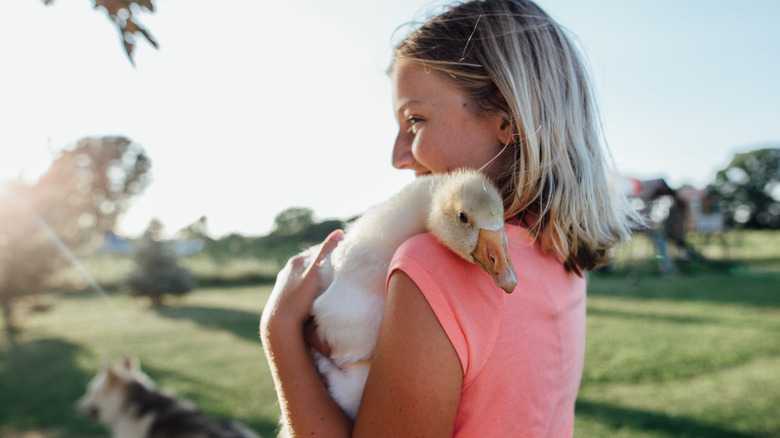
Other Cute AnimalsBirdsEverything To Know Before Adopting A Duck As A PetByCynthia AnayaJan. 31, 2025 11:25 am ESTCavan Images/Getty ImagesWe may receive a commission on purchases made from links.While a bit unorthodox, ducks can be kept as pets, legally, in most states. Perhaps you've wanted a pet duck ever since you saw Joey and Chandler with one on "Friends," or maybe you just always enjoyed feeding ducks as a child. Ducks can show affection and be entertaining as well. Whatever the reason, ducks can make good companions and offer some of the same benefits that dogs and cats do. However, you should consider the daily activities, requirements, and restrictions associated with adopting a duck as a pet, all of which could pose an inconvenience.On a positive note, keeping ducks fed is as easy as keeping a more traditional pet fed; you can purchase a bag of duck feed pellets from pet stores and online retailers, such as Mazuri Waterfowl Layer Food for Ducks. Ducks also feed on grass, including weeds, and rid yards of pests, so they can serve as great lawn-maintenance animals. Some owners consider this type of waterfowl high-maintenance and challenging to care for because of their needs, while others feel the opposite. With this in mind, it's best to consider all variables of ownership before bringing your own personal Donald or Daisy home to be part of your family.They can be messyLinas Toleikis/Getty ImagesAll pets can have bowel accidents in undesired places, but their water bowl is not one of them for most. Ducks, on the other hand, naturally defecate in water, even if it's the same water they bathe in and drink. This means that whatever drinking water you have prepared for them might contain their droppings and need to be replaced regularly. Ducks also enjoy playing in mud and dirty water puddles, so by the end of the day, they could be covered in feces-tainted water and dirt.It's also important to note that ducks excrete waste frequently — about every 10-30 minutes — which equates to roughly 100 times a day. Since they don't spend all their time in water, you'll find their droppings not just in their water containers but in their enclosure and your yard. The good news is, duck waste makes good fertilizer, due to its nutrient-dense nature. You just need to compost it first before applying it to any plants or soil.Some ducks can be boisterousHam patipak/ShutterstockYou might find the sounds of ducks quacking at a park or while you're kayaking down a creek harmless and maybe even appreciated. When the quacking happens in your backyard throughout the day, however, you might not feel the same way about it. Your neighbors might also have an issue with this, especially if the quacking wakes them up.Although all ducks vocalize in some way, some species and breeds are noisier than others. Mallard ducks, particularly the females, quack often to communicate in different ways. One duck owner on the Reddit subreddit r/ducks reported that their female mallard quacked constantly while in her large enclosure, despite being well-fed and having humans interact with her. Female call ducks, as their name implies, are also known to vocalize loudly and frequently.At the quiet end of the "quack spectrum" are Muscovy ducks. Instead of quacking, this species makes hissing and cooing sounds to communicate. These sounds will likely be too quiet to bother you or your neighbors. You may not even hear them unless you're standing nearby.They should be kept contained outdoorsWirestock Creators/ShutterstockUnlike furry indoor pets, ducks should spend most of their time outside in their natural habitat. You can bring them inside on occasion, but they thrive best and should live in an outdoor environment. Living in the great outdoors meets their natural instincts and behaviors that a standard indoor environment can't.Another reason to keep your pet duck outdoors is their frequent bowel movements and water activities. Ducks love to swim and play in water, and remember, they also poop in water — and poop often. You probably won't want them leaving droppings all over your carpet, so keep them outside instead and ensure they have water in the form of a pond, kiddie pool, or tub to play and bathe in. Have a separate, smaller water source available for drinking that's deep enough for them to fully cover their heads.It's also recommended to have a fenced-in yard, but more importantly, ducks need a pen with netting or some other type of predator-proof shelter with a roof. When you let them out of their enclosure to play, only do so while you're home and able to keep an eye on them. They should be placed in a roofed shelter when you can't watch them, as well as overnight.They crave companionshipMatthias Rohrberg/Getty ImagesDucks can be compared to humans in some ways, including their desire for companionship. They enjoy socializing with other ducks and can get lonely without other feathered friends to quack, swim, and waddle with. With that in mind, it's best to adopt a pair of ducks (or more!) or adopt a second shortly after bringing the first home if a pair isn't immediately available. The ducks can be of the same or different breed or species.Another option is to complement your pet duck with other birds, such as geese or chickens. All of these birds can generally share the same enclosure without any issues. Certain dogs can also become your duck's sidekicks. However, there are some caveats. Some dogs — especially large ones — see ducks as prey and may want to chase or harm them. This behavior can be avoided by adopting a puppy and duck at the same time, choosing a small dog that weighs under 10 pounds, and/or training. In any case, you should closely monitor all initial interactions between the two animals.Caring for them is time-consumingFertnig/Getty ImagesSome pets don't require much beyond food, water, toys, comfortable bedding, the shelter of your home, and waste cleanup. At the end of a typical day, you might end up spending all of two minutes on feeding and cleanup, if necessary. Caring for ducks, on the other hand, requires a lot more time. One owner on Reddit's r/pets shared their daily routine for caring for their two ducks, totaling 40 minutes every day. They spend 20 minutes in the morning and 20 minutes in the evening. Their daily routine includes filling all water stations and food bowls, relocating the ducks from a garage coop to a yard pen, and cleaning the coop wood shavings in the morning. In the evening, the owner puts fresh wood shavings in the coop, moves the ducks back to the coop, adds fresh food and water, and washes all the water stations.Other duck owners' daily routines differ. However, if you want your duck to have a clean habitat and to be safe and comfortable every day, you'll need to put effort toward this goal. If you have enough time to devote to a morning and evening routine, or if you have someone to help you, caring for a duck can be manageable, easy, and enjoyable. Otherwise, you might find it too demanding and overwhelming, so be sure to thoroughly consider these daily requirements of ownership, and aim to understand duck behavior before deciding to adopt one.
How To Cure Swim Bladder Disease In Molly Fish
David Williams
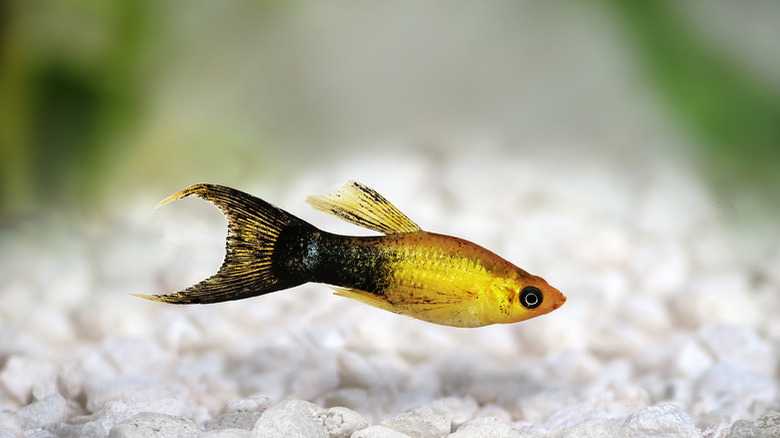
Other Cute AnimalsFishHow To Cure Swim Bladder Disease In Molly FishByA. A. RileyUpdated: Dec. 2, 2024 4:13 pm ESTMirko_Rosenau/iStock/GettyImagesWe may receive a commission on purchases made from links.Disclosure: At Cuteness, we are committed to being the go-to resource for pet owners and animal lovers. We only recommend products we think our audience will love. If you purchase something by clicking on one of these links, we may receive a small commission of the sale and the retailer might receive some data for accounting purposes.Mollies make an excellent choice for novice aquarium owners as they are hardy freshwater fish, come in a variety of colors, and can live in an aquarium as small as 10 gallons. The species is fun to watch as they fin their way gracefully around the tank. Because they're usually on the move, unusual things like a motionless molly listing off to one side or the freshwater fish swimming upside down are readily noticeable. Don't assume she's dying; although swim bladder disease in molly fish can be fatal, with early detection and treatment, your fish has a good chance for survival.Swim bladder functionYour fish's swim bladder lies deep within his body as an offshoot of the digestive tube. The bladder contains gas, including oxygen, that lets the fish float upright at the desired depth. When the swim bladder malfunctions, the fish has trouble maintaining his level in the water and can sink to the bottom of the tank or be stuck near the top. The abnormal ballast can cause the fish to turn sidewise and swim on his side, or even roll entirely upside down.Swim bladder disorder causesSwim bladder disorder often results from other organs pushing on the swim bladder, thereby disrupting its function. Overeating and constipation are the first two things to suspect, especially if you leave food floating on the top of the tank after your fish have had two-to-three minutes to feed. Fatty liver disease, kidney problems, or impacted eggs are other physical causes of floatation problems. Finally, bacterial counts in the tank, parasites, or high levels of nitrates can also be at fault.Initial treatment: First 48 hoursCheck the temperature of your tank. If you tend to keep it on the cold side of the 70-to-85-degrees Fahrenheit water temperature recommended for mollies, turn it up to at least 80 degrees. Low temperatures can cause digestive issues in fish, so chances are your entire molly community will benefit from added warmth. If your molly isn't interested in feeding and the other fish are leaving her alone, it's not necessary to remove her from the community tank. However, if you recently introduced the fish to the community and bacteria could be at fault, isolate her in a hospital tank immediately to minimize exposure to other tank mates. Don't feed the sick fish for the first 48 hours to allow her to process what is already in her digestive tract. In many instances, the fish will return to normal during this timeframe.Further swim bladder disease treatmentIf your fish hasn't recovered or shown significant improvement within 48 hours, administer continued therapy in a separate tank. Put your fish on a high-fiber diet consisting of a peeled, cooked pea so the extra roughage can help clear constipation. Let the fish nibble the pea for two-to-three minutes and then remove until the next feeding. Offer your fish a peeled, cooked pea up to three times a day and continue withholding regular fish food.Add one tablespoon of aquarium salt for every 5 gallons of water in the molly's recovery tank as a salt treatment. Make sure to use aquarium salt designated for use in a freshwater aquarium, such as API aquarium salt, readily available on Amazon. The salt kills bacteria that contribute to swim bladder disease.Alternatively, you could treat the water with an antibacterial formula to take care of any tank bacteria causing the infection. Should your fish need further swim bladder disease treatment, take him to a fish vet to see if he needs swim bladder medication.Preventing a recurrenceWater quality is the factor most common in any fish disease, and swim bladder disorder is no exception. Fish suffer stress when their water quality is poor, such as if the pH is off, the temperature is too cold, or there are too many nitrates. Such factors disrupt their bodies' homeostasis, leaving them vulnerable to buoyancy problems and other disorders.ReferencesThe Aquarium Guide: Mollies Care GuideAquatics World: How to Cure Swim Bladder DiseaseFish Keeping Advice: Swim Bladder DiseaseEncyclopedia Brittanica: Swim BladderAquatic Veterinary Services: Fish Disease
Why Do Dogs Freak Out When You Take Off Their Collar?
Emily Johnson
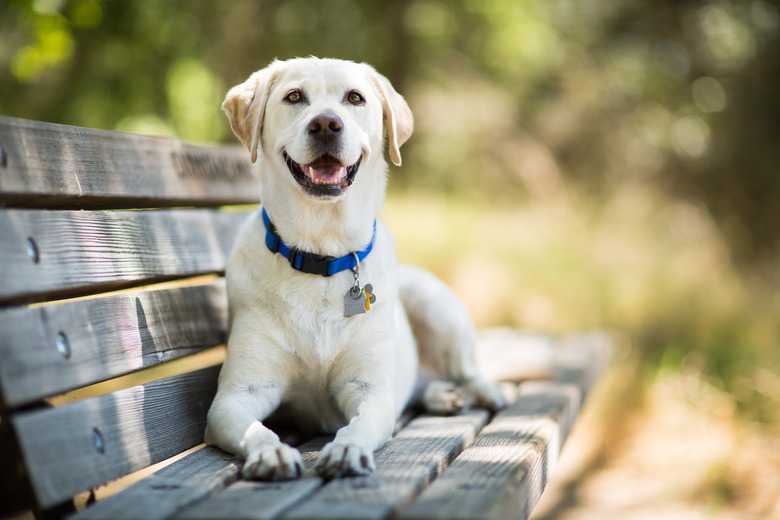
DogsDog TrainingWhy Do Dogs Freak Out When You Take Off Their Collar?BySteve MilanoUpdated Sep 30, 2021Dogs often get excited about certain routine behaviors because they associate the behaviors with what comes next. In other cases, dogs become happy when you perform certain acts because it's the end of something they don't like. Getting excited about dog collars may mean she's either excited about what's coming up or she's glad to have the collar off. Either way, if you look for patterns, you might find out why your pooch is happy to have the collar come off.Janie Airey/Lifesize/Getty ImagesWhat is operant conditioning?Whatis operant conditioning?One reason your dog might be freaking out when you take off his collar is because he associates this act with something else. This is known as operant conditioning. For example, it's pretty obvious why dogs get excited when you take their leash off the wall and get ready to attach it to their dog collar — they know it's time to go for a walk or engage in outdoor play that they like.When you take off your dog's collar for a specific reason, such as a bath or grooming, the dog knows what's coming. That's because each time you've taken off his collar, you've bathed or groomed him. So, he associates the removal of his collar with bathing or grooming.If you randomly take off the collar for no particular reason and only do this once in a great while, the reason your dog might be getting excited has nothing to do with operant conditioning. It might simply be that he dislikes the collar.Negative associations with dog collarsPurple Collar Pet Photography/Moment/GettyImagesNegative associations with dog collarsIf your dog gets excited about her dog collars coming off and you don't follow this act with another regular act (such as grooming), the dog might be happy that the collar is coming off because she doesn't like the collar. It might be that the collar is too tight or too loose. When was the last time you cleaned the collar? Does it smell bad?If the material of the collar scratches her, she'll get used to it, but she will be happy when it comes off. If your dog is a puppy, she might not be used to the collar or has grown more quickly than you realize, and the collar is now too tight.One way to see if your dog has negative association with dog collars is to look at how she reacts when it's time to put it back on. If she hesitates or needs to be called twice, you know there's a problem with the collar (or any collar). Consider loosening the collar to see if that helps. Take a close look at the collar to see if there are any frayed ends, items that have lodged inside, metal or plastic tags that might dig into the dog, or if the collar smells bad. Try buying a new collar to see her reaction to it.Positive associations with dog collarsPositive associations with dog collarsIf you only take the collar off when the dog is going to be inside the house for a while, the dog might be happy knowing he's staying inside for a while, or the dog might feel freer now that the restraint is gone. The dog might associate the collar with a regular act that follows.Do you rub the dog's neck and give him a short massage, words of affection, and a kiss or hug when you remove his collar each time? If so, that might be the reason the dog gets excited when you start removing the collar.When to see a veterinariandamedeeso/iStock/GettyImagesWhen to see a veterinarianSearch your dog for an injury if you can't figure out why he becomes excited when the collar comes off. If you can't find an external cut or bruise, call your vet and explain the situation and see if you need to bring in your pet. If your dog has started exhibiting this behavior only recently after being fine with wearing a collar, this might indicate a medical problem. The same is true if your dog resists you taking off the collar.ReferencesGlamorous Dogs: Why Dogs Get Excited When You Take Their Collar Off?Canine Scholars: Operant Conditioning
The Worst Dog Food Recall Ever Recorded In US History
Jane Brown
Preparing A Nervous Dog For Kennel Boarding
Sarah Jones
How To Train A Dog Not To Be So Clingy
Jane Williams
How To Adjust A Dog Whistle
John Davis
What Is The Average Time For Housebreaking A Puppy?
Jennifer Brown
How To Train A Chihuahua Terrier
Sarah Johnson
Dog Breeds That Have The Shortest Lifespans
David Miller
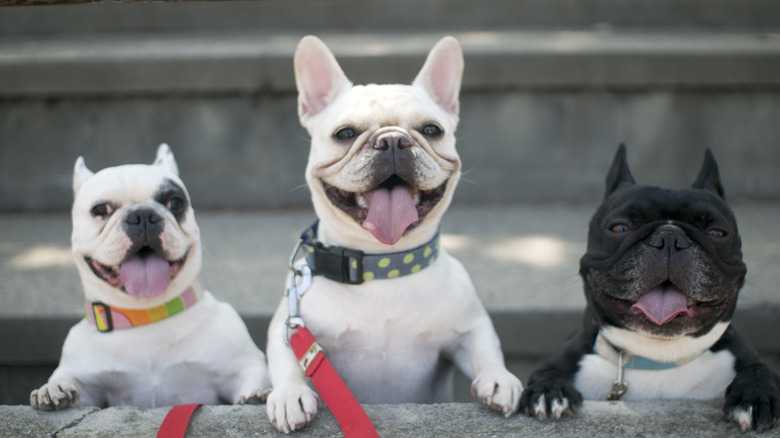
DogsDog BreedsDog Breeds That Have The Shortest LifespansByPaige MountainOct. 5, 2024 11:25 am ESTTokoro/Getty ImagesWe all want nothing more than for our beloved pups to live forever, but the unfortunate truth is that this simply isn't possible. Some types of canines, such as those bigger in size or prone to health issues often don't have the same lifespan as some of the smaller and healthier varieties. However, no matter the breed, there are measures you can take to ensure your precious pup lives the happiest and healthiest life possible.One way to potentially help your pup live longer is by feeding them a healthy diet and keeping them active to assist in maintaining a healthy weight. And don't forget to go to the vet regularly. Of course, even if you take steps to improve your dog's quality of life, some factors are out of your control, such as their size and breed, and may limit them to a shorter existence.Big dogsJill Lehmann Photography/Getty ImagesWhile smaller pups tend to be the longest living dog breeds, such as chihuahuas who live for 15-17 years, large breeds typically have a shorter life expectancy. Scientists haven't completely figured out why this is, however there are some theories that possibly explain why our big canines tend to live for less time. One prediction is that since larger dogs grow much faster than their tiny friends, they can contract illnesses related to old age earlier. With large dogs growing at a faster pace, it means their cells are also divide more quickly, which can increase their susceptibility to cancer.Large breeds, such as golden retrievers, rottweilers and German shepherds, tend to live an average of 10 to 12 years. Giant dog breeds, such as great Danes, mastiffs, and Saint Bernards have life expectancies of only eight to 10 years. With cancer being a concern in larger dogs, some of the breeds most prone to the disease include Bernese mountain dogs, golden retrievers, great Danes, Rottweilers, and Labrador retrievers.Brachycephalic breedsSameh Wassef/Getty ImagesAlong with larger dogs, brachycephalic breeds tend to have shorter lives. They have flat faces and short noses and, because of their physical structure, are more prone to health issues. Some of the popular brachycephalic breeds include bulldogs, pugs, boxers, and shih tzus. Some of the health problems they face include eye issues, breathing problems that may require home treatment, and joint issues, among a variety of others. The life expectancy of an English bulldog is around eight to 10 years, whereas the smaller shih tzus have a wider lifespan range of approximately 10 to 18 years.Despite their smaller size, pugs and French bulldogs are prone to some of the shortest life spans due to a condition called brachycephalic obstructive airway syndrome caused by their flat facial structure that can lead to health issues such as upper respiratory illnesses. The lifespan of a dog with this condition is only around 8.6 years, a stark contrast to the average dog's lifespan of 12.7 years. This syndrome especially impacts pug and French bulldog lifespans, with the Humane Society of the United States stating that approximately 50% of pugs and French bulldogs show signs of brachycephalic obstructive airway syndrome. When compared to their non-brachycephalic small dog pals, which have an average lifespan of 10 to 15 years, these two breeds have a much shorter life expectancy.
3 Ways To Get A Dog To Drink Water If It Isn't Thirsty
Michael Brown
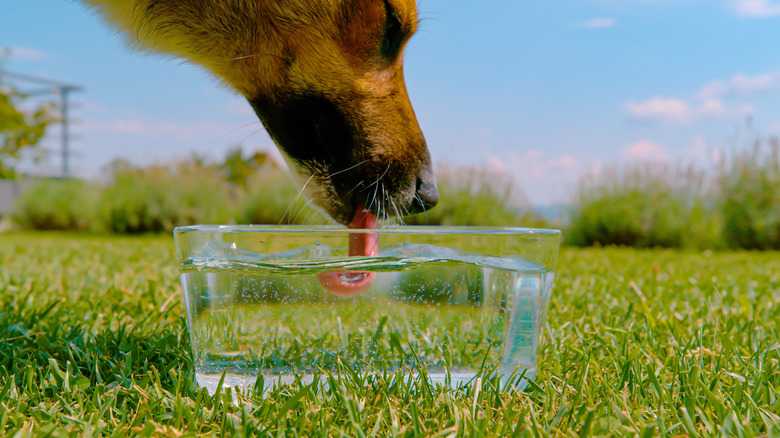
DogsDog Nutrition3 Ways To Get A Dog To Drink Water If It Isn't ThirstyBySheri RadfordDec. 3, 2025 9:25 am ESTFlystock/ShutterstockEveryone needs water to live, and it can be worrisome and stressful when your dog refuses to drink water. After a quick trip to the vet to rule out any medical or dental issues that could be causing the problem, it's time for you to get creative if your pup still refuses to drink enough. Here are some steps to start with, such as changing bowls, making the water more flavorful, or adding things to it.The first thing to try changing is your dog's water bowl. If you have just a single bowl, add a few water dishes in different locations throughout your home. Try different sizes and shapes of bowl, along with ones made from different materials (metal, glass, ceramic, etc.). Your dog might find a coffee mug or teacup more appealing than a regular bowl. If your dog has a condition such as arthritis, test if an elevated bowl makes drinking easier. Whatever receptacle you decide upon, be sure to wash it frequently and change the water in it regularly. If your dog ignores all bowls and cups, consider adding a water fountain, as the sound and constant movement of the running water can be very appealing.More ways to increase your dog's water intakePencil Case/ShutterstockThe next thing to try is to make your dog's water more interesting and flavorful. Add a splash of a tasty liquid such as unsalted, unseasoned chicken or beef broth; plain juice, including carrot or apple, with no sugars or artificial sweeteners added; or the liquid from a can of dog food. Be careful never to give your dog any liquid that might hurt them. Ingredients like alcohol, caffeine, chocolate, grapes, and artificial sweeteners can be harmful and even toxic. Also, avoid giving your pooch sweetened beverages or cow's milk, which can sometimes cause vomiting or diarrhea.A third way to get your dog to drink more water is to put ice cubes in the bowl. Especially on hot afternoons during the dog days of summer, ice cubes can add pizzazz to plain water, and some dogs enjoy crunching on the cubes. For an extra enticement, make the ice cubes out of bone broth. You can also increase the amount of moisture in your dog's diet overall by adding more canned food to the menu and by offering your dog healthy fruit and veggie treats, including cucumber or seedless, rindless watermelon, both of which have a high water content. One last tip: Always keep toilet lids closed. It's possible your pooch pal actually is drinking water regularly — just out of the toilet.

How To Potty Train A Yorkie Poo
John Johnson
DogsDog TrainingHow To Potty Train A Yorkie PooByKatherine MaloneUpdated Apr 29, 2021Purple Collar Pet Photography/Moment/GettyImagesWhen considering designer dog breeds, the Yorkie poo, a cross between a Yorkshire terrier and a miniature or toy poodle, is a popular choice. Yorkie poos are friendly, courageous, intelligent, and full of energy. Their intelligence is a benefit when it comes to training, but these pups also have a stubborn streak that may test your patience. However, with a good plan, consistency, and plenty of positive reinforcement, your patience will pay off and you'll soon have a fully potty-trained dog that can be relied upon not to have accidents.Create a scheduleCreate a scheduleCreating a plan and a schedule is key to your success in potty training your Yorkie poo. You can start training when your puppy is just 12 to 16 weeks old, but keep in mind her bladder control is not as strong at this age as it will be as she matures. Create a schedule for your dog that includes regular feeding with potty breaks after eating and nap time.You will need to schedule eight to 10 potty breaks for puppies under 14 weeks of age and six to eight breaks for puppies 14 to 20 weeks of age. When the dog reaches 30 weeks, she will have bladder control to only need three to four breaks each day.Decide where in your yard you want your puppy to eliminate and if possible, leave some feces in the grass. This lets your Yorkie poo know that this is the right place for her to go potty.Considering housetraining toolsConsidering housetraining toolsPuppy pads are a popular option as a housetraining tool. They are especially useful if you live in an apartment and don't have easy access to a yard or if you work full time and can't get home to let your puppy out. However, using puppy pads can lengthen the amount of time it will take to fully train your Yorkie poo as you are essentially teaching them that it is acceptable to eliminate indoors.Mechelle Brooks/iStock/GettyImagesCrates are another effective option. Puppies and dogs avoid eliminating in their den, so if your crate is not too big for your Yorkie poo, she won't eliminate in the crate if she can help it. Crate training offers additional benefits including giving your puppy a place where she can rest and making travel easier.Monitor and praise potty tripsMonitor and praise potty tripsFollow the schedule you set to take your Yorkie poo outdoors to go potty but don't forget to pay attention to her behavior so you can recognize the signs that she needs to eliminate. Yorkie poos often get restless when they have to go potty, circling and sniffing the ground. If you notice these behaviors, take your Yorkie poo outside immediately rather than waiting for her to have an accident. This sets her up for success and prevents setbacks in training.It is helpful to link potty breaks with a verbal cue such as, "Wanna go potty?" or "Wanna go outside?" This helps your dog associate the phrase with the process. Once you're outside, don't play or distract your Yorkie poo and give her enough time to sniff around and choose a spot if she needs to go. It is a good idea to keep her on a leash while potty training to keep her focused and to ensure you don't miss a behavior you can reward.Once she has finished eliminating in the desired location, offer plenty of praise and even offer a small treat. This feeds your Yorkie poo's desire to please you and helps the training process go faster.Yorkie poo training problemsYorkie poo training problemsAccidents will happen and this can be very frustrating for you. However, punishing your Yorkie poo is not effective and may even trigger her stubbornness. Never punish her physically or rub her nose into the mess. Clean up any accidents in the house with an enzymatic cleaner. This removes the scent that may draw your Yorkie poo to eliminate in the area again.Mary Swift/iStock/GettyImagesIf you catch her in the act, interrupt her and take her outside immediately to finish going potty. Once she eliminates outside, don't forget to praise her.ReferencesDr. Phillips Animal Hospital: How to Potty Train A Puppy: Your Comprehensive GuideUniversity of California, Davis School of Veterinary Medicine: House-Training Your PuppyAmerican Kennel Club: How To Potty Train Puppies: A Comprehensive Guide for Success

Shelter Surrender Is Worse For A Dog Than You Thought. Here's What You Can Do Instead
Michael Williams
DogsDog HealthShelter Surrender Is Worse For A Dog Than You Thought. Here's What You Can Do InsteadBySanaphay RattanavongFeb. 10, 2025 1:25 pm ESTandysavchenko/ShutterstockAccording to the American Society for the Prevention of Cruelty to Animals, more than 6.3 million pets enter shelters across the United States each year, with dogs making up nearly half of this number. For many of these pets, the transition from a loving home to a crowded kennel is a traumatic experience, marked by fear, confusion, and emotional distress. Imagine your dog, who once greeted you at the door with a wagging tail and boundless joy, suddenly finding itself in a loud, unfamiliar environment surrounded by strangers. For some dogs, this process leaves lasting scars, making it harder for them to find new owners or adjust to life outside the shelter.Surrendering a pet, such as by giving your dog to a humane society, is an impossible choice, one many have trouble with — often on top of other significant struggles. But here's the thing: lots of these surrenders are avoidable. Whether you face financial strain, behavioral challenges, or housing restrictions, there are often solutions that can help keep pets with their families. By casting the net wider and deeper, you can equip yourself with what you need to protect your furry friend's well-being while lightening the burden on overcrowded shelters.Why do owners surrender their dogs to shelters?Ascent/pks Media Inc./Getty ImagesIt can be a slow build-up or an acute break, but life happens to us all, for better or worse. When it's the latter, dedicated pet parents don't arrive at the decision to surrender their dog easily. Understanding the common reasons for this is crucial — not to place blame, but to identify opportunities for solutions.For some, the hidden costs of caring for a pet add up, leaving them unable to afford essentials like food or veterinary care. In recent years, inflation has driven the prices of food and veterinary services higher, stretching household budgets to the breaking point. Housing restrictions also play a significant role, particularly for renters. Pet-friendly accommodations can be hard to find, and landlords often impose high fees or breed restrictions. For owners unable to make alternative living arrangements, surrendering their pet can feel like a necessity.Behavioral problems, such as incessant barking, destructiveness, or aggression, also commonly lead to surrender. Without access to affordable training or support, overwhelmed owners may believe they have no other choice. Additionally, unexpected life events like health issues, family crises, or the arrival of a new baby can force owners into difficult decisions. In many cases, multiple factors compound the problem, making surrender seem inevitable.The emotional and behavioral toll of surrender on dogsandysavchenko/ShutterstockFor a species that has coevolved with humans for over 40,000 years,surrender to a shelter can feel like the ultimate betrayal. Accustomed to the comfort of a home and the companionship of their family, many dogs experience intense fear and confusion upon arrival at a shelter. The abrupt change in environment — from a familiar home to a noisy kennel surrounded by unfamiliar animals — can overwhelm even the most adaptable pets.The emotional impact of surrender is particularly harsh for senior dogs, who often struggle to find new homes. For instance, Dax, a 20-year-old Weimaraner, experienced this firsthand when he was surrendered after almost two decades with his owner. Dax's story went viral, sparking widespread support. This attention ultimately led to his adoption by a loving new family, highlighting both the challenges and profound rewards of adopting older dogs.The stress of surrender often exacerbates behavioral issues, making it harder for dogs to find new homes. Behaviors like excessive barking, destruction, or anxiety — which may have been minor issues at home — can escalate in a shelter environment. These behaviors are frequently misunderstood by potential adopters, prolonging a dog's stay or even leading to euthanasia in overcrowded shelters.Alternatives to surrendering your doga katz/ShutterstockOrganizations and community resources are increasingly stepping in to provide support tailored to pet owners' needs. Programs like Human Animal Support Services (HASS) offer solutions to local shelters and social service providers to assist with keeping pets and their people together. HASS promotes services such as pet retention counseling, which helps owners identify and resolve the root causes of their struggles, whether financial, behavioral, or logistical. Another option is emergency foster care, which provides short-term placements for pets while their families navigate crises like medical issues or temporary housing challenges.For financial struggles, pet food banks and low-cost veterinary clinics can relieve the burden of care. Some shelters even offer assistance directly, covering medical expenses or providing free pet supplies. For example, KC Pet Project's Keep 'Em Together initiative has helped hundreds of families avoid surrender by addressing specific needs. For housing restrictions, resources like pet-friendly housing directories and programs that facilitate direct rehoming, such as Home to Home, provide solutions that minimize stress for pets and owners.Behavioral problems can often find relief through training and education. Many shelters and nonprofits offer free or low-cost classes to address common issues like barking or anxiety. Positive reinforcement training techniques, widely regarded as the gold standard in behavior management, can be particularly effective in transforming a dog's habits and keeping them at home.Navigating resources and community support to avoid surrendering your dogFg Trade/Getty ImagesEach person's situation is unique, leaving many with the daunting task of even knowing where to start when it comes to avoiding pet surrender. With so many programs available to assist pet owners, it's important to know how to effectively navigate these resources and tap into community support. Combining organizational help with local aid can be the difference between keeping your dog safe and happy with you and giving them up.Local shelters and rescue groups are often the first line of support for pet owners in need. Organizations like KC Pet Project and Austin Pets Alive! offer resources such as pet food banks, low-cost veterinary care, and training programs, providing tailored solutions for a variety of challenges. Beyond these formal programs, local communities can be powerful allies. Neighbors, friends, and family members may assist with temporary fostering or sharing pet supplies, while platforms like Facebook groups or Nextdoor connect pet owners to individuals eager to help during tough times.For broader support, national organizations like Human Animal Support Services (HASS) and Home to Home maintain directories linking pet owners to services such as emergency foster care, direct rehoming platforms, and financial assistance. These programs are designed to address diverse needs, including housing challenges and behavioral training.Celebrating success storiesBluecinema/Getty ImagesThe numbers may be daunting, but behind every statistic is a potential happy outcome. Across the country, non-profit programs and grassroots communities are making a difference, keeping pets and their families together against the crush of larger forces.For example,At KC Pet Project, a man named Larry faced the decision of surrendering his beloved dog, Trover, due to financial strain. Through the Keep 'Em Together KC program, Larry received help with pet food and veterinary care, allowing him to keep Trover at home. This intervention not only saved Trover from the trauma of shelter life but also preserved the deep bond between owner and pet. In another case, a family needed to rehome their dog due to an unforeseen move. Through the Home to Home platform, they found a new loving family directly, bypassing the shelter system entirely. Stories like this highlight how rehoming services can create smooth transitions and reduce stress for pets and their owners. With alternative solutions, community support, and a commitment to keeping families together, your furry best friend can stay safe by your side — right where they belong.
How To Train Your Dog To Protect You
Emily Johnson
How Old Does A Dog Need To Be To Get Pregnant? It's Younger Than You Think
John Johnson
The Best Bird Mothers In The Animal Kingdom Will Have You 'Aww'ing All Day
Robert Smith
The Land Animal That Became A New Parent At An Age Humans Can Only Dream Of
Jennifer Williams
Dogs Hit 'Old Age' When They Reach One Big Milestone
Jane Brown

A Celebrity Horse Breed Known For Its Calm Nature Is Hard To Find In America
Sarah Jones
Diet For Dogs With Anal Gland Problems
Michael Johnson

Dachshund Puppy Who Lost Her Legs Tries Out New Wheelchair And We Can't Handle It
Jane Brown
Can You Keep Seahorses As Pets In Your Home Aquarium?
Michael Johnson
Dog Diarrhea & Pumpkin: A Natural Remedy That Works
Jane Jones
An Easy Way To Prevent Dogs From Going Upstairs
Jennifer Williams

Stop Your Dog From Going Potty On Furniture
John Brown
Latest Articles
How To Tell If A Leopard Gecko Is Gravid
David Miller

Female Puppies & Nipple Development
John Williams
How To Tell When A Fish Is Ready To Give Birth
Robert Miller
Do Gourami Fish Get Pregnant? Here's What To Look For
John Jones
How To Make A Clicker For Dog Training
Sarah Johnson
You Want To Keep Dogs Away From Your Garden Tomatoes - Here's Why
Robert Davis
How To Crate Train My 5-Month-Old Puppy
Jane Jones

The Highest-Earning Celebrity Pets
Jane Brown
How To Tell If A Tetra Fish Is Gravid
Robert Davis
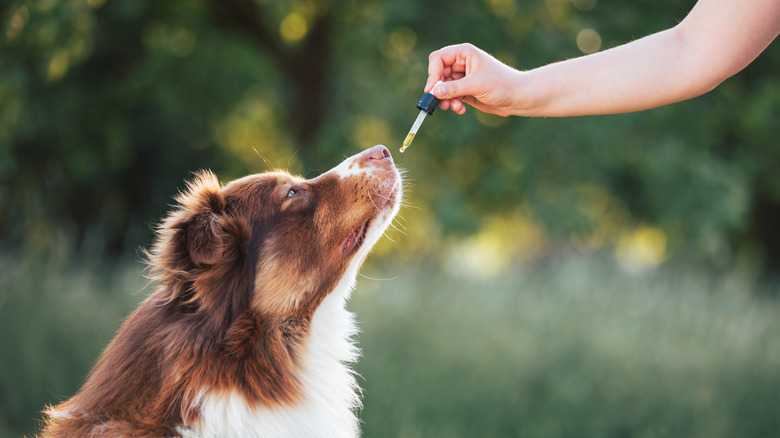
Sneaky Ways To Give Dogs Liquid Medicine
Jennifer Johnson